
Archives

A theory is the relationship between a construct to predict or explain a phenomenon.
Introduction A theory, in the context of scientific inquiry and research, is a systematically organized set of concepts, explanations, and propositions that describe and predict phenomena. At its…

Prof. Varun Grover Lecture on the Evolution of Knowledge Epistemology and Its Impact on Scientific Thinking
Introduction The study of knowledge, its nature, and how we acquire it – known as epistemology – has been a fundamental pursuit in philosophy and science for centuries.…

Karl Weick’s “What Theory is Not, Theorizing Is”: An In-Depth Exploration
Introduction Karl E. Weick, a prominent figure in organizational psychology and management, has significantly influenced how we understand theory development in social sciences. In his seminal paper “What…
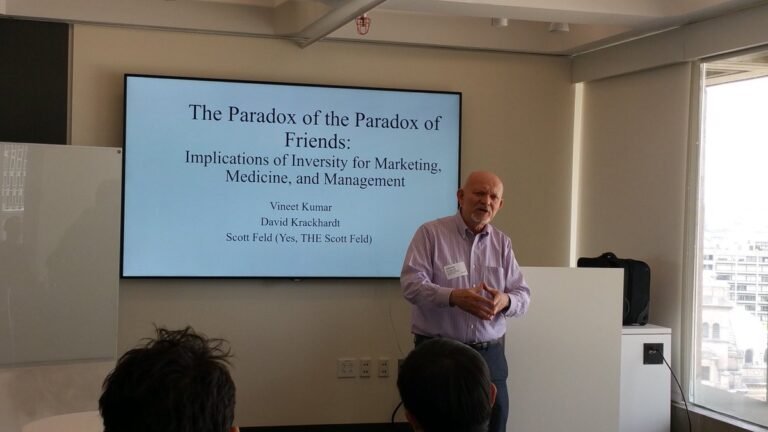
The Strength of Strong Ties: The Importance of Philosophy in Organization
This paper by David Krackhardt challenges and expands on Mark Granovetter’s “The Strength of Weak Ties” theory in several key ways. It highlights ambiguity in Granovetter’s definition and…
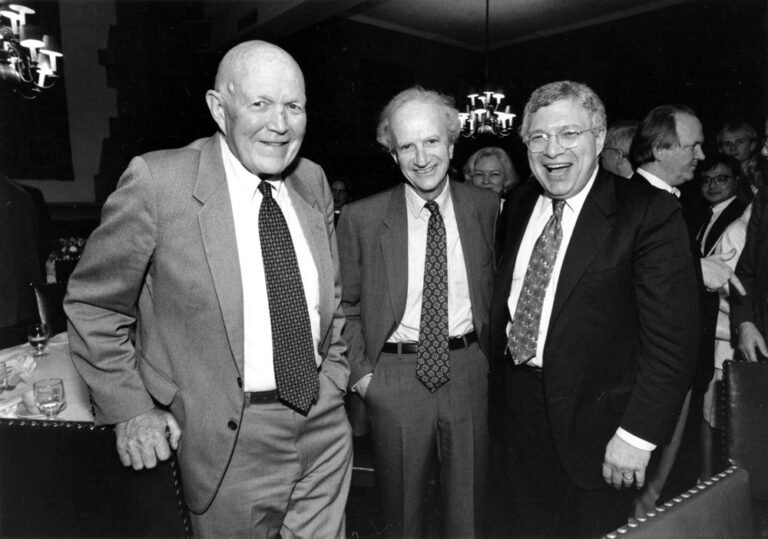
Social Capital in the Creation of Human Capital
James S. Coleman – University of Chicago This paper by James S. Coleman introduces and explores the concept of social capital and its role in the creation of…

The Strength of Weak Ties: A Network Theory Revisited
Mark Granovetter (1983) Background and Context Mark Granovetter’s “The Strength of Weak Ties” is a landmark paper in sociology, originally published in 1973 and revisited in 1983. This…

Centrality in Social Networks: Conceptual Clarifications
Linton C. Freeman – Lehigh University Introduction Centrality Explain to a 5 year old: The paper explores the concept of centrality in social networks, tracing its historical…